
Iraq at a Crossroads
Energy Reform, Economic Diversification, and Cultural Resilience
Iraq is no longer defined solely by the legacies of dictatorship, war, and the fight against the so-called Islamic State. The country is entering a more complex phase of transformation: from internationally supported stabilization toward greater sovereign responsibility; from an oil-financed welfare state toward a more productive and diversified economy; and from post-conflict reconstruction toward the creation of resilient institutions and a more inclusive social contract.
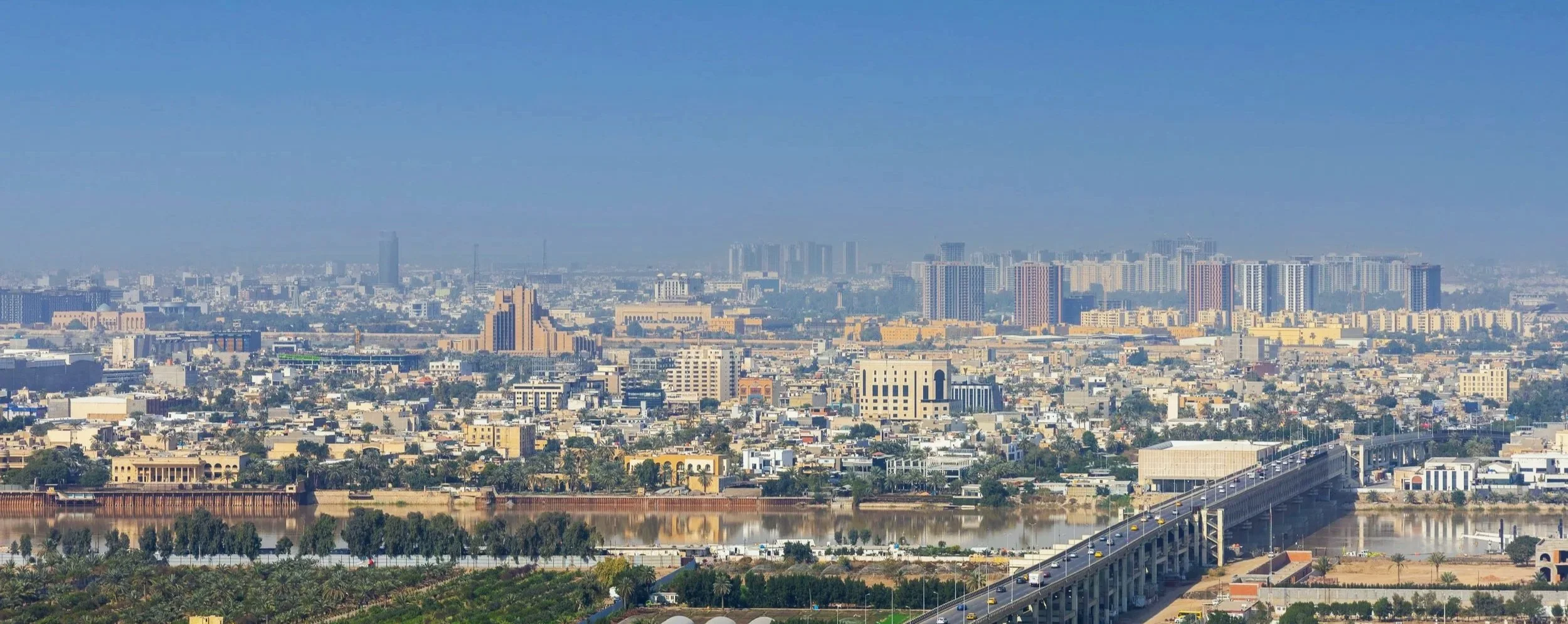
© Muhammad Nabeel, Pexels
This transition has become particularly urgent. The 2025 parliamentary elections and the subsequent formation of a new government ushered in a new political cycle, while the conclusion of the United Nations Assistance Mission for Iraq at the end of 2025 marked an important shift toward greater national ownership. At the same time, the changing international security presence, persistent tensions between state institutions and armed groups, and unresolved issues regarding federal relations and resource sharing continue to shape Iraq’s political development.
Regional instability has further exposed Iraq’s structural vulnerabilities. The escalation of regional conflict and disruptions to energy routes in 2026 demonstrated how rapidly geopolitical shocks can affect Iraqi oil exports, public finances, electricity supply, and domestic stability. Although Iraq possesses considerable hydrocarbon resources, it remains dependent on oil revenues, imported gas, and an inefficient electricity system. Economic diversification, banking reform, private-sector development, and the creation of productive employment—particularly for young people and women—have therefore become issues not only of economic policy, but also of political legitimacy and social stability.
These challenges are closely linked to growing environmental and social pressures. Water scarcity, extreme heat, pollution, and declining agricultural viability are contributing to displacement, rural decline, and territorial inequality. At the same time, Iraq’s cultural diversity and historical heritage provide important resources for social recovery. The reconstruction of Mosul has demonstrated how the restoration of cultural and religious sites, educational institutions, and local cultural life can contribute to employment, reconciliation, and a renewed sense of belonging. Cultural resilience should therefore not be treated as separate from political and economic reform, but as an integral component of Iraq’s long-term transformation.
Against this backdrop, the ICI Institute and the Hertie School will host an international conference in Berlin, bringing together approximately 25 participants from Iraq, the wider region, Germany, and Europe. Representatives from politics, academia, business, civil society, and the cultural sector will examine how Iraq can transform its relative domestic stability and substantial natural resources into resilient institutions, diversified prosperity, and an inclusive political and social order.
Objectives
The conference aims to:
develop a shared assessment of the political, economic, and regional conditions shaping Iraq in late 2026;
examine the implications of the post-UNAMI transition and the changing international security presence for Iraqi sovereignty, governance, and institutional capacity;
identify realistic priorities for energy security, natural gas utilization, electricity reform, and the gradual transition toward a more sustainable energy system;
assess how private-sector development, banking reform, regional connectivity, and knowledge cooperation can contribute to economic diversification and productive employment;
analyze the relationship between federalism, resource sharing, territorial inequality, water stress, and public service delivery;
explore how cultural heritage, collective memory, and pluralistic identity can support reconciliation, local development, and social cohesion; and
Identify specific opportunities for German-Iraqi and Arab-German cooperation and develop at least two follow-up project proposals.
Panels
The Iraqi State After the 2025 Elections – Authority, Accountability, and the Next Reform Cycle
Between Iran, the Arab Gulf, Turkey, and the West—Iraq’s Search for Strategic Autonomy
From Export Vulnerability to Energy Security – Oil, Gas, Electricity, and the Energy Transition
Beyond Oil – Building a Productive Economy and a Credible Private Sector
Water, Cities, and Uneven Recovery – The Local Foundations of Resilience
Cultural Resilience after Conflict – Heritage, Memory, and Pluralistic Belonging