Diplomacy
Sustainable stability in the Middle East
The recent escalations in the Middle East make it clear that sustainable peace can only be achieved through an inclusive, long-term approach. Beyond purely national interests and short-term conflict solutions, a common vision for the entire region is needed. It is crucial to create spaces for dialog in which all relevant actors can enter into discussions on an equal footing and develop realistic post-war scenarios. Peace is not a product of chance, but the result of cooperative processes, creative solutions and pragmatic collaboration - even between former adversaries. In an increasingly interconnected world, it is necessary to overcome existing dividing lines and direct forces towards common prospects for the future. A Middle East that focuses on cooperation rather than confrontation can secure long-term stability and prosperity for the entire region.
Events on the topic:
Young Leaders Summer Academy 2025 | Climate change does not stop at national borders; persistent drought in the Negev Desert will affect the communities living there. Other countries in the Middle East, such as Jordan and Egypt, will also suffer when drought causes crop failures, food shortages, and disputes over resources.
Turkey is increasingly emerging as a key geopolitical player between the Black Sea, the Mediterranean region, and the Middle East. The workshop analyzes Ankara’s foreign and security policy strategy in the context of geopolitical competition, energy policy, and regional power shifts.
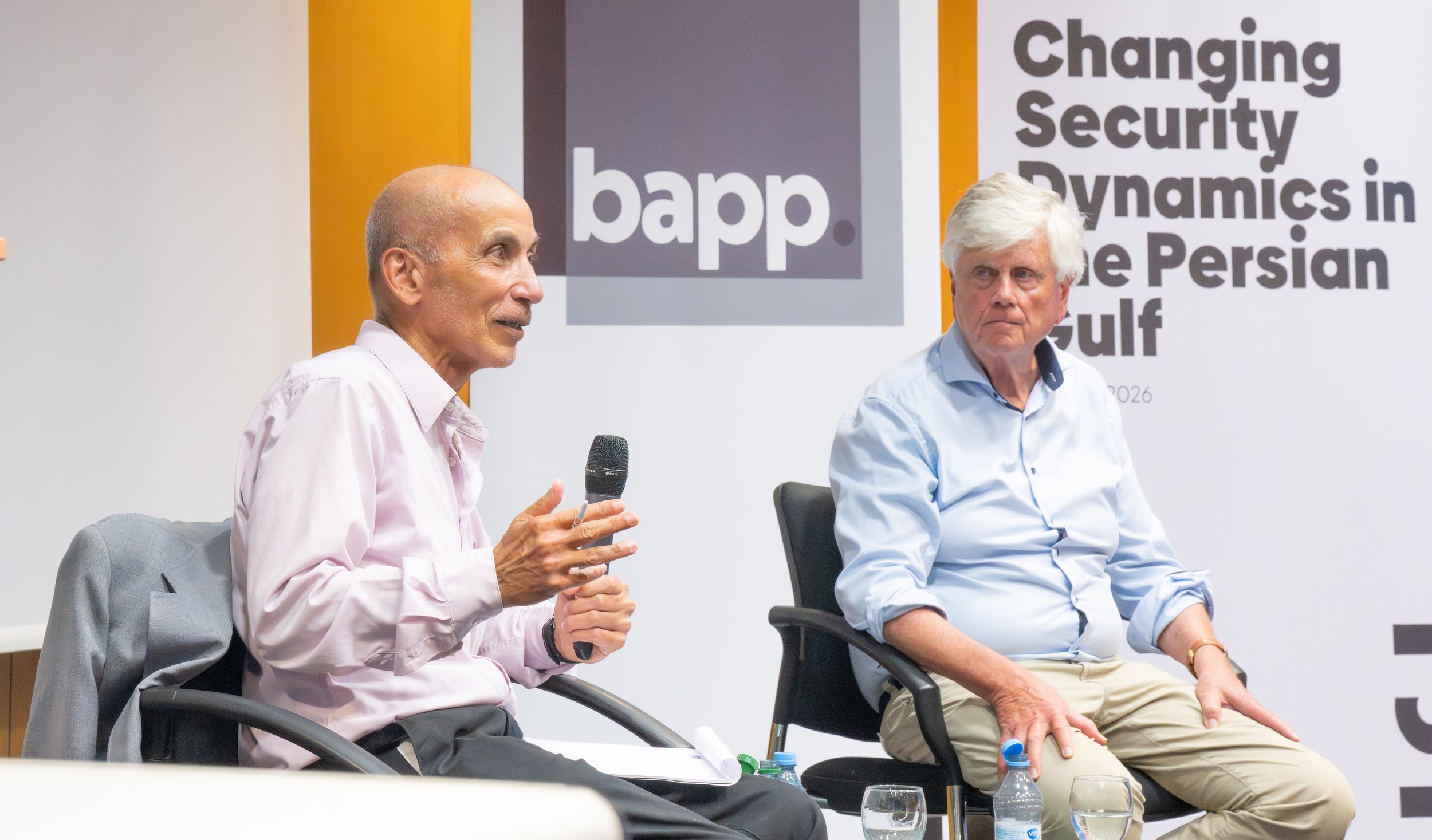
Since the outbreak of the U.S.-Israeli war on Iran in February 2026, the conflict has reshaped security dynamics in the Middle East and continues to have far-reaching consequences for global energy markets, trade, transatlantic relations, and international stability. In this lecture, Prof. Dr. Gawdat Bahgat examines the causes, consequences, and future trajectories of the conflict, followed by a discussion with Prof. Dr. Ulrich Schlie on American and European approaches to regional security and the future of the Middle East.
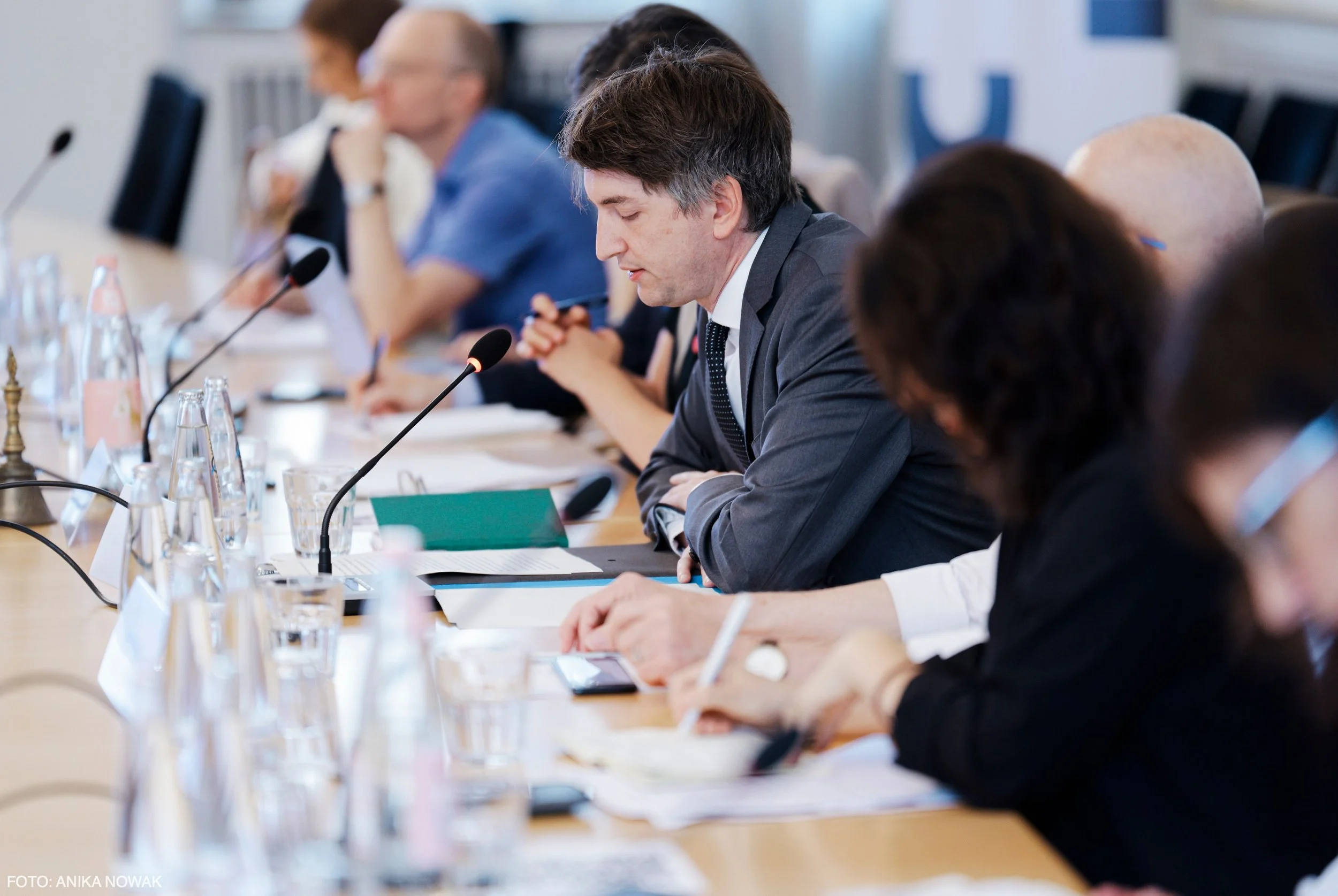
The ongoing escalation of violence in the Middle East makes it urgently necessary to pursue joint, inclusive solutions and create spaces for dialogue with all relevant stakeholders. The ICI and the Bonn Center for Reconciliation Studies are bringing together representatives from academia, politics, business, and civil society to analyze the consequences, challenges, and opportunities for sustainable peace and to jointly develop strategies for stability in the region.
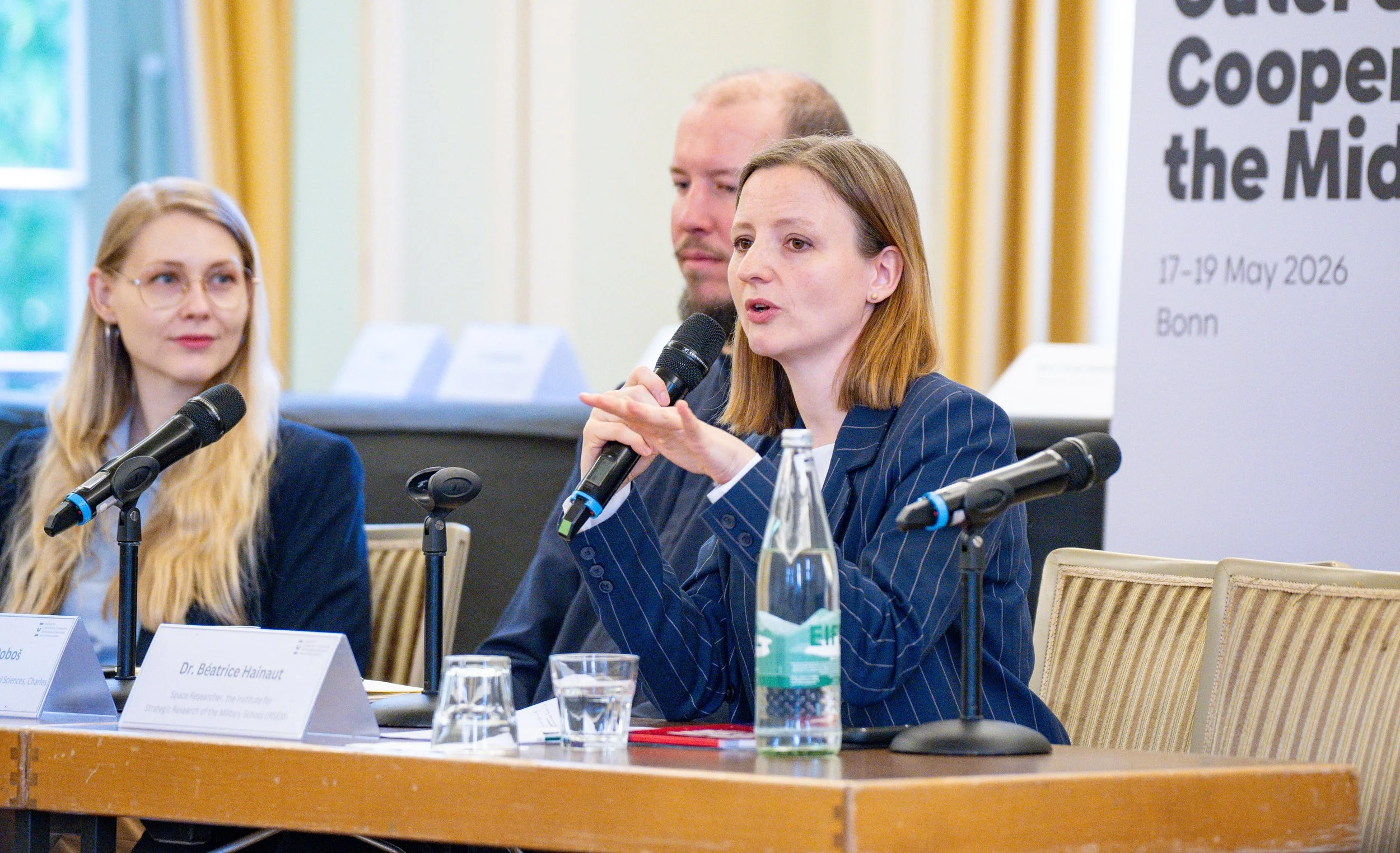
The Spring School focuses on the strategic space policies of Middle Eastern countries and examines the legal, military, economic, and technological opportunities and challenges involved in establishing, developing, and fostering sustainable cooperation in space. Lectures and panel discussions by experts from the fields of politics, business, and diplomacy will be complemented by a UN simulation and interactive workshops.
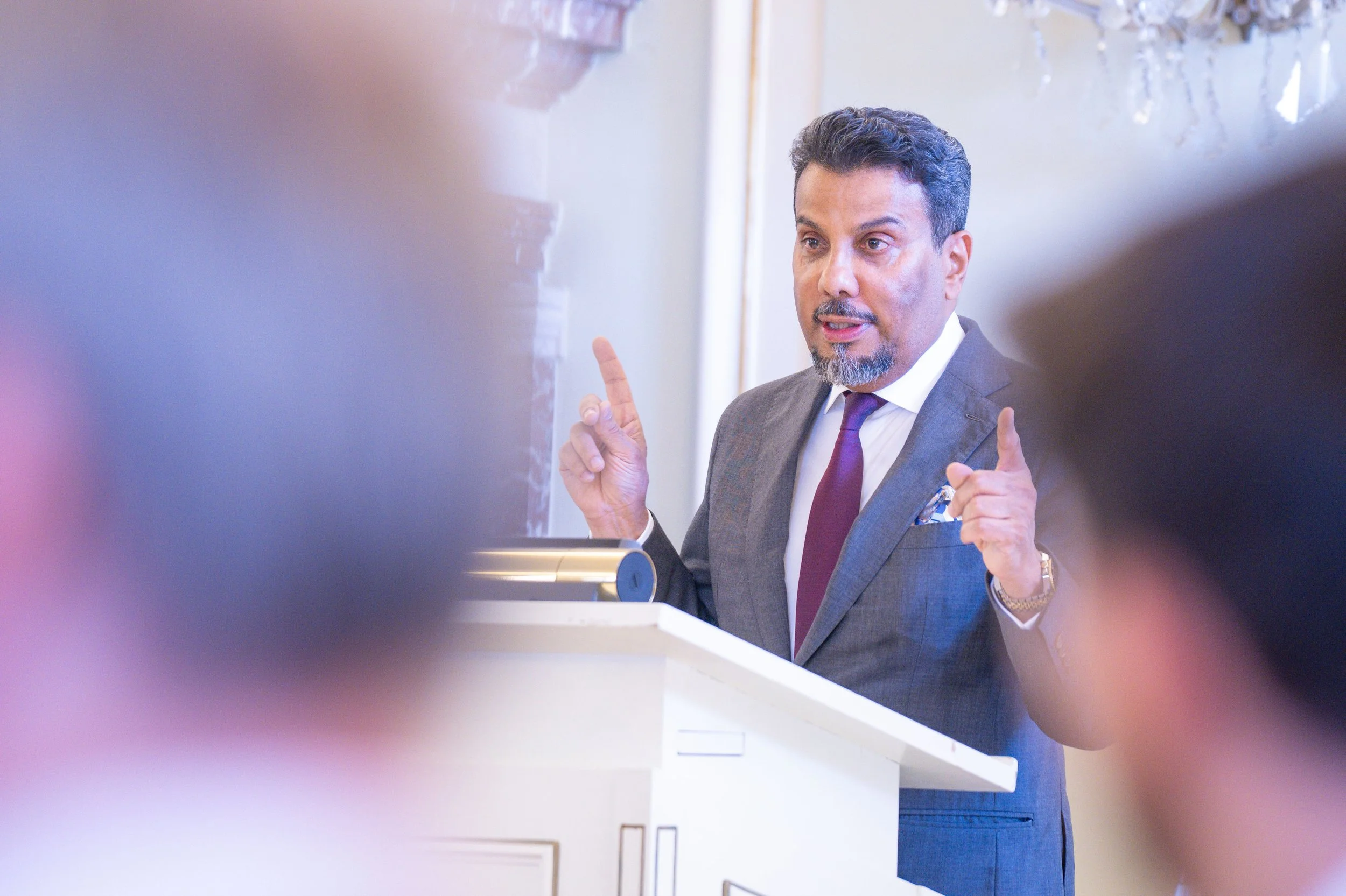
Conference 5 | For the fifth time, the conference will bring together leading actors from politics and diplomacy, academia and civil society to discuss sustainable post-war visions for the region and identify paths to regional stability and long-term peace.
This panel discussion will shed light on the extent to which the Middle East can use economic integration as a vehicle for peace. The starting point will be the European Union model, which led to prosperity and peace in the post-war period. The discussion examines the extent to which such a model can contribute to regional stability in the Middle East.
This international conference builds on the success of the previous Berlin Conference and brings together stakeholders from the Middle East, Asia, and Europe to develop concrete strategies for regional cooperation in areas such as reconstruction, green energy, digitalization, and infrastructure. The focus is on regional solutions to conflicts, deeper integration through initiatives such as IMEC, and the promotion of a shared vision for peace, stability, and sustainable development.
The international conference will take a close look at the two security policy theaters of war of the 21st century - the war in Ukraine and in the Middle East - and systematically analyze the interdependencies between the two wars, the regional consequences and the impact on the global order, and explore possible paths to regional stability and peace.
The international conference China in the Middle East: Geopolitics, Trade and Society examines China's growing role in the Middle East as a geostrategically relevant region. Actors from politics, diplomacy and academia will discuss the current challenges and opportunities for cooperation in relations between China and the Middle East.
Conference 4 | The fourth conference was overshadowed by two significant developments: the fall of the Assad regime in Syria and the re-election of Donald Trump as US President. In addition, cooperative approaches to peacebuilding at grassroots level were analyzed and reconciliation concepts were reflected on from a historical perspective.
At this year's Security Conference 2025 in Munich, the ICI was given the opportunity in light of the ongoing escalation in the Red Sea and the dramatic developments in Gaza, the need for a sustainable and cooperative approach to peace in the Middle East has never been more urgent.
To mark the 23rd anniversary of the Afghanistan Conference, an exchange took place with Hamid Karzai and other high-ranking personalities to reflect on developments to date and take a look into the future of the country.