Diplomacy
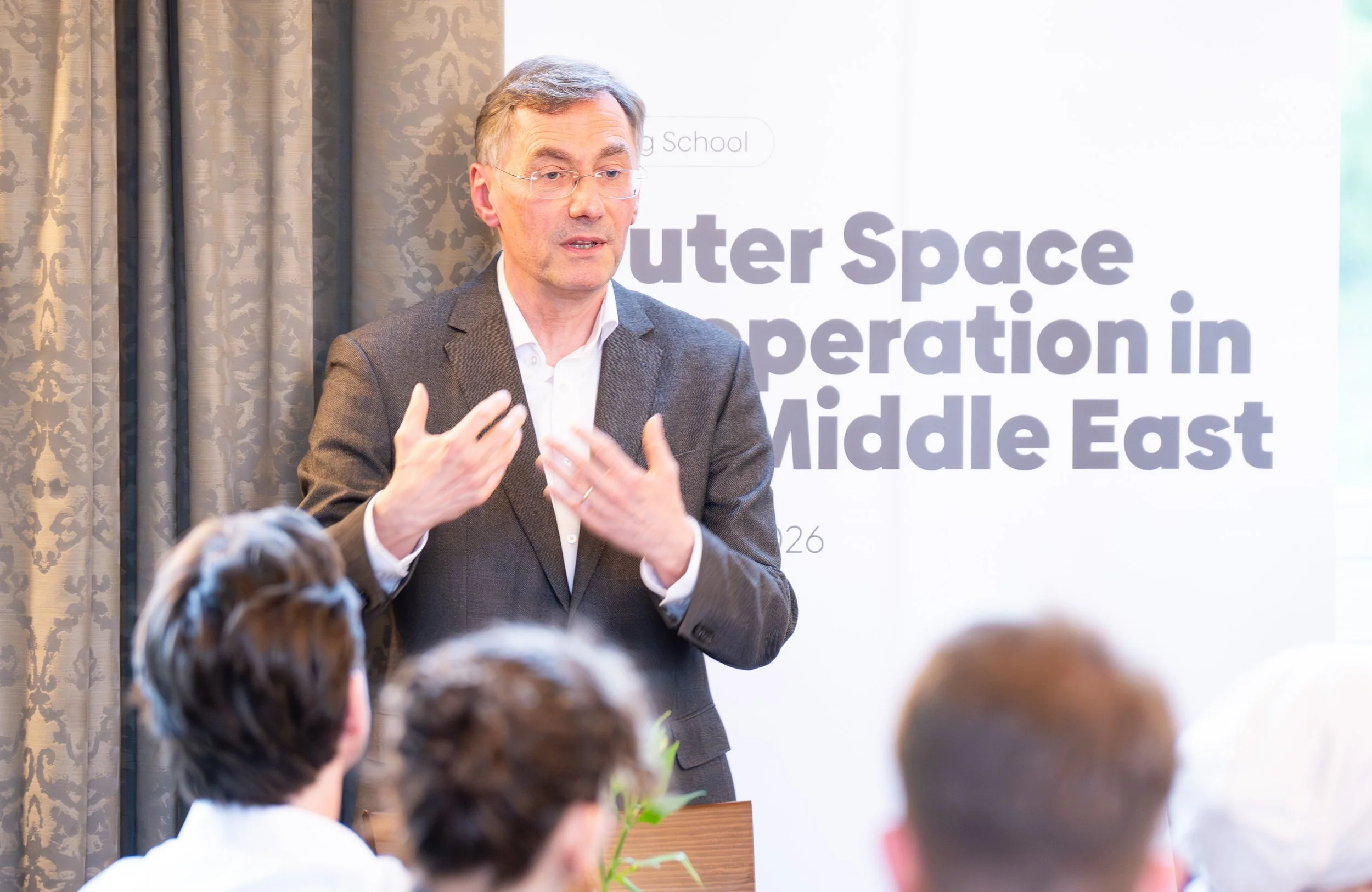
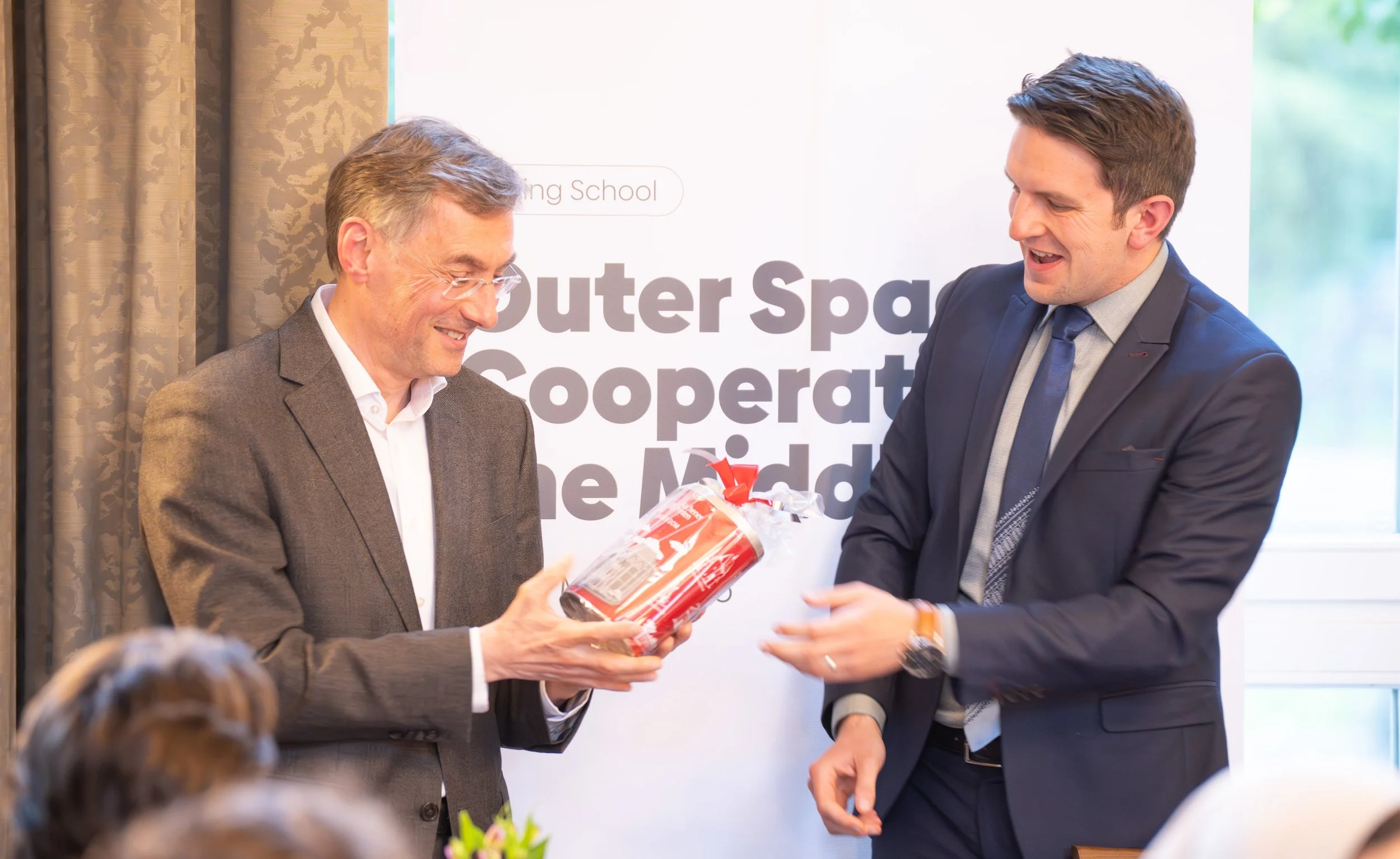
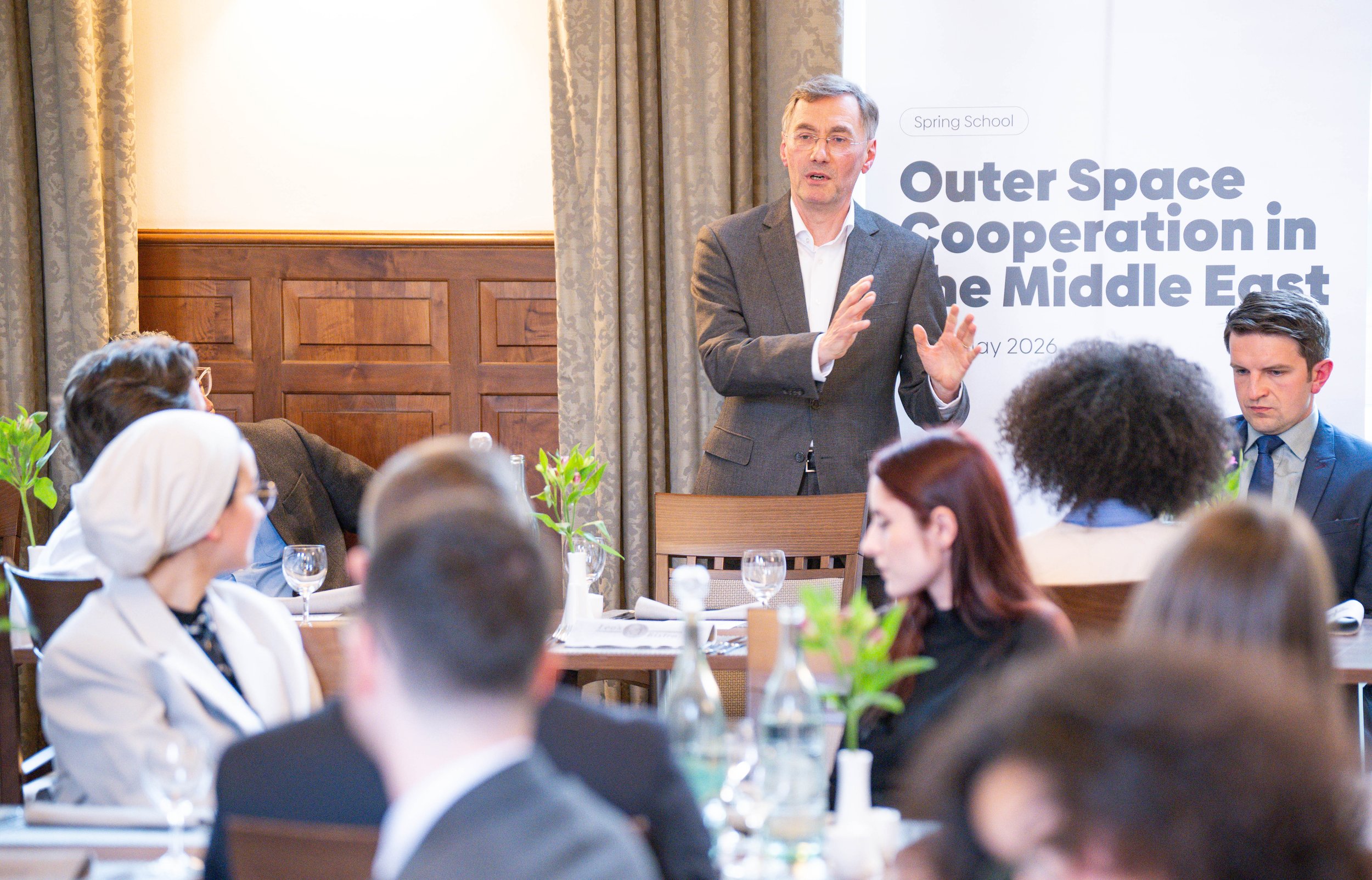
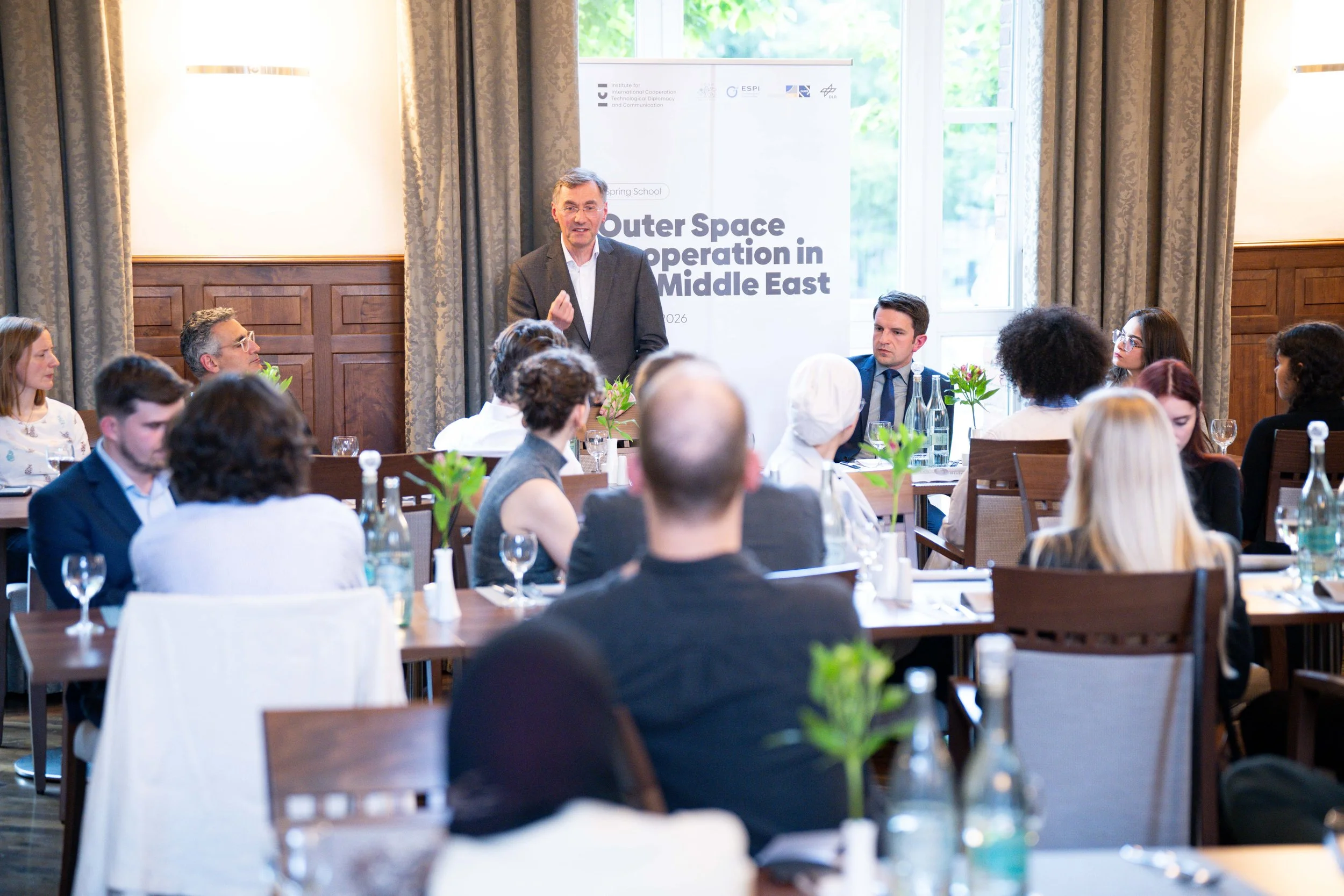
Spring School 2026:
Outer Space Cooperation in the Middle East







From strategic competition to cooperation in space
Space-based infrastructure performs numerous vital tasks for our planet and is indispensable for the functioning of modern industrial societies. These include error-free navigation via global satellite navigation systems such as Galileo, GLONASS, and GPS (Global Positioning System). In addition, key areas such as energy supply, stock market trading, ATMs, weather forecasting, the collection of data and trends on climate change, and the transmission of critical information to the military are highly dependent on satellites. This dependence on satellite-based communications, data collection, and crisis response will continue to grow in the future.
With the growing importance of space resources, the potential to influence people, institutions, systems, and states through strategic technological control is also increasing. Extraterrestrial space, often referred to as the fifth domain of human civilization after land, sea, air, and cyberspace, is increasingly becoming a place of power projection and power politics between states. As a new arena of competition, space is not only subject to tensions between the major powers, but also attracts middle and regional powers that see it as offering considerable strategic advantages. This has far-reaching economic, military, and strategic consequences for the international community.
The space sector is also becoming increasingly important strategically in the Middle East region. Investments in space technologies promote economic progress and the emergence of new industries and jobs, while the development of comprehensive space infrastructures requires considerable financial resources and intensifies competition for limited resources. Military applications in space also exacerbate security policy dilemmas and are further influenced by geopolitical alliances. At the same time, space travel also offers opportunities for cooperation between the states in the region and opens up considerable potential for economic progress, security, regional stability, technological innovation, and international cooperation.
Goals
This Spring School will examine the space policies and strategic approaches of Middle Eastern countries, as well as the legal, military, economic, and technological challenges, in order to identify the potential for cooperation between them.
Participants gain detailed insight into space policies in the Middle East and develop innovative ideas for cooperative approaches between states in workshops. The Spring School is held in cooperation with the (Young) Society for Security Policy and the Center for Advanced Security, Strategic and Integration Studies (CASSIS) at the University of Bonn.
Participants
Young students from related disciplines (political science, international relations, etc.) from the Middle East will be invited to the UN city of Bonn to exchange ideas with students from Germany and develop innovative ideas for possible cooperation. International experts from science, politics, and business will provide participants with in-depth insights into space policy. These inputs will form the basis for the subsequent workshops.