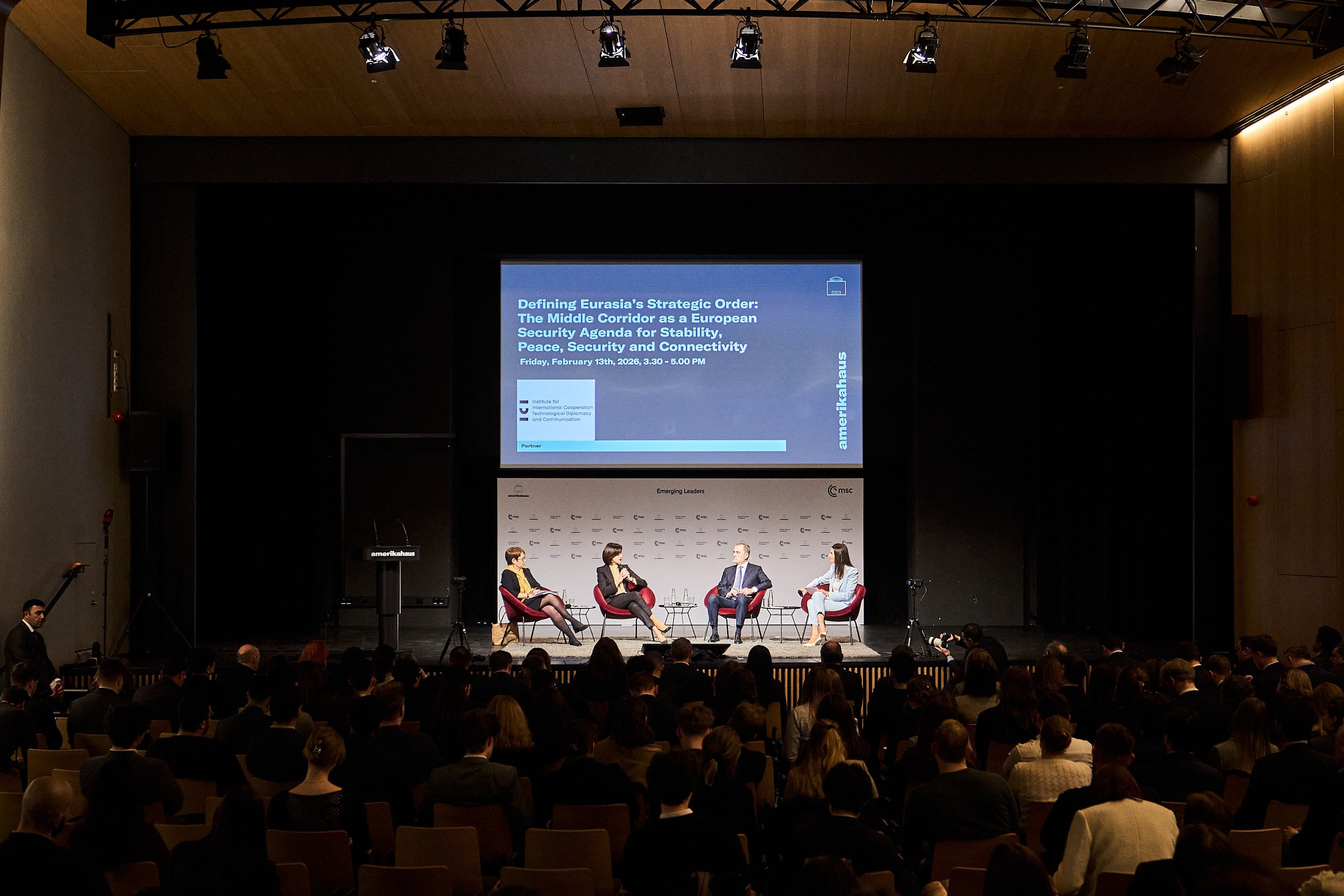
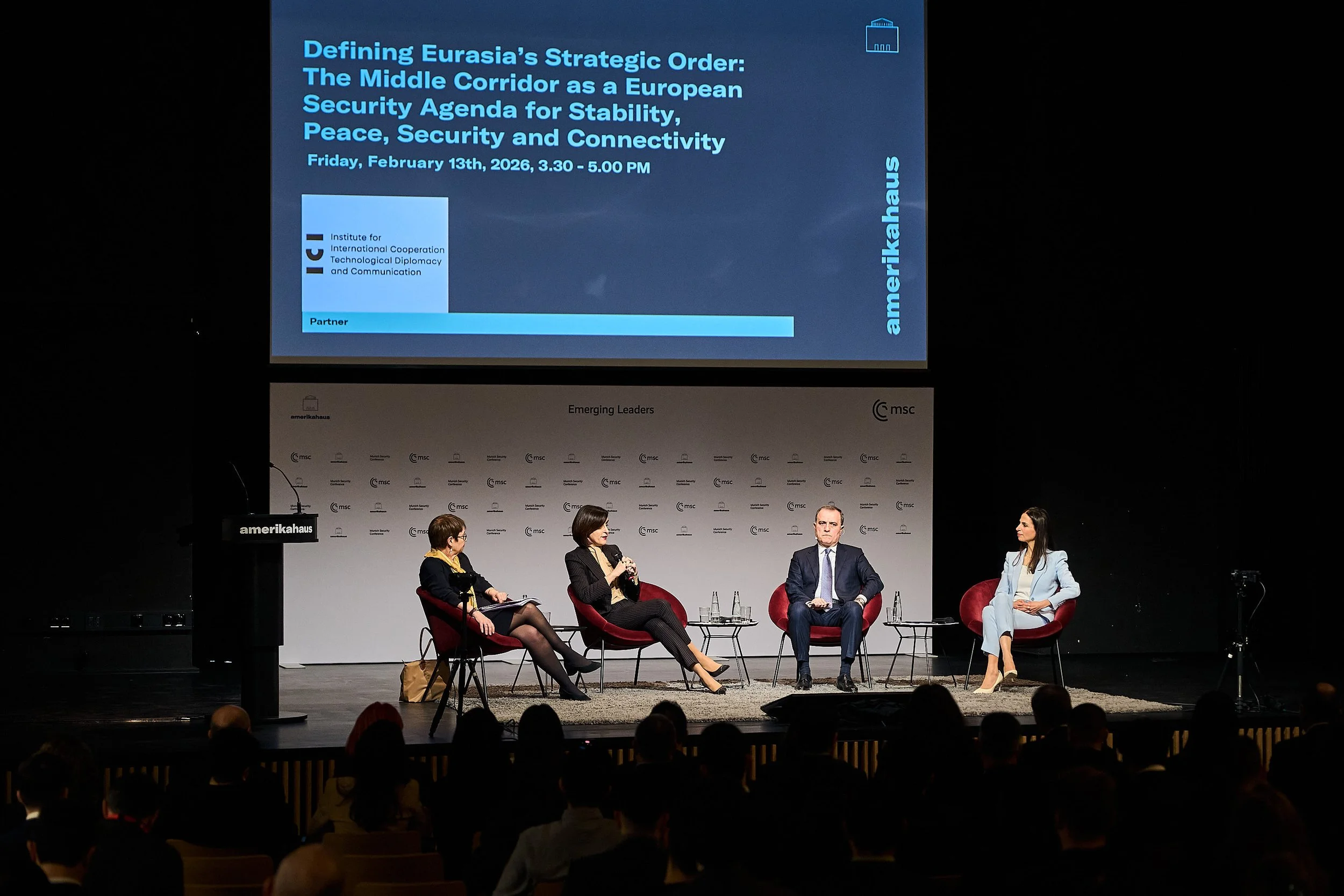
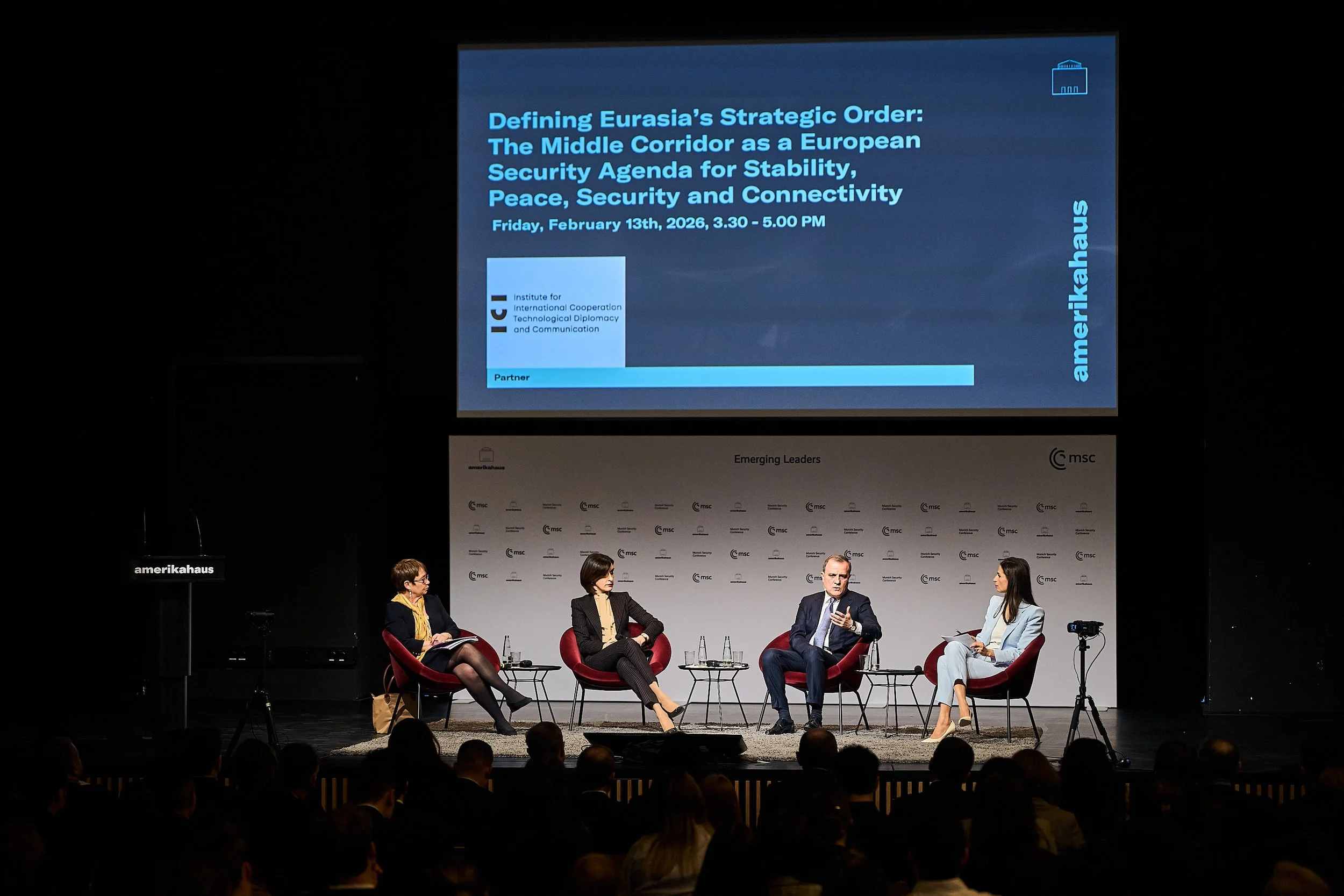
Defining Eurasia’s Strategic Order: The Middle Corridor as a European Agenda for Stability, Peace, Security, and Connectivity
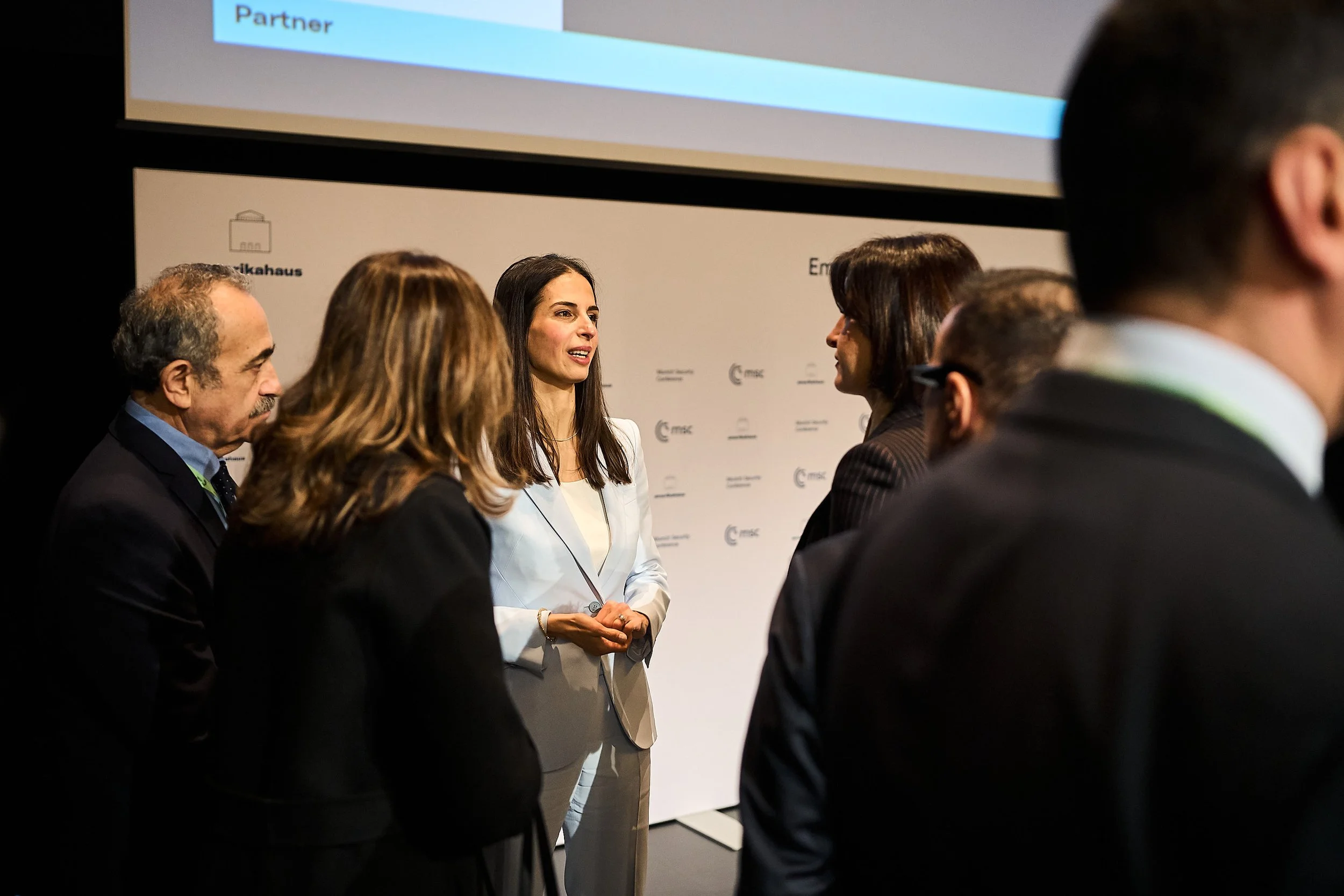
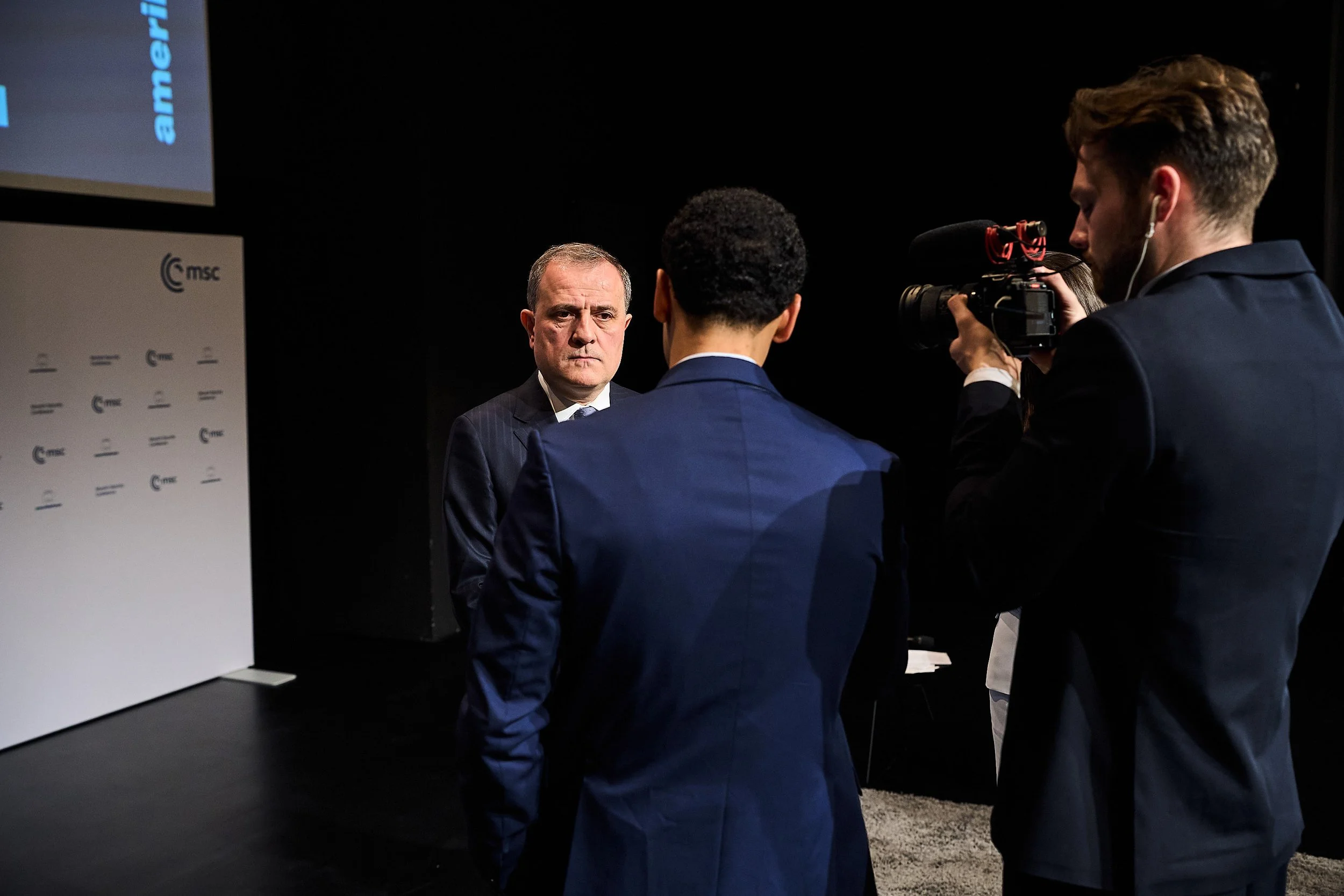
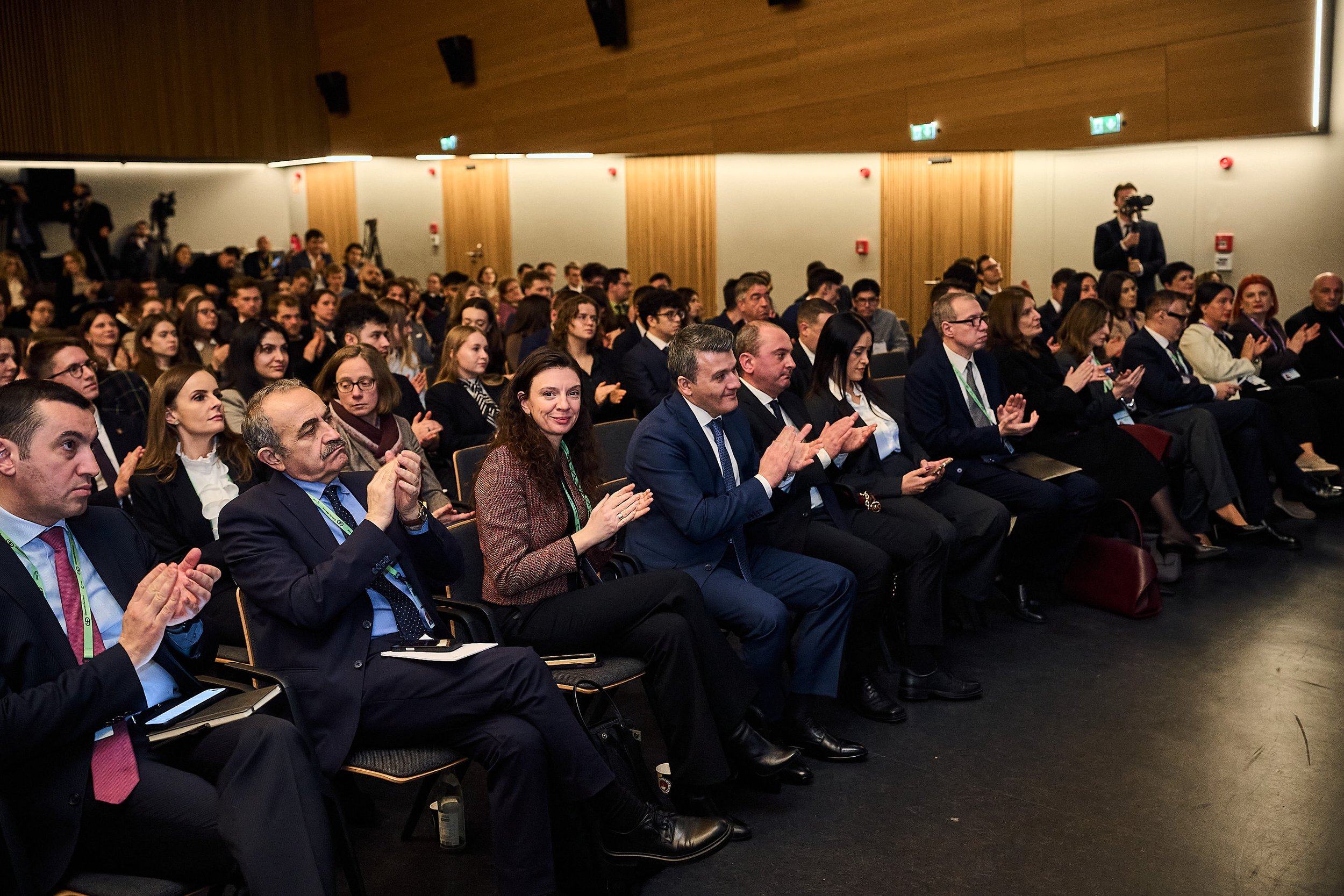
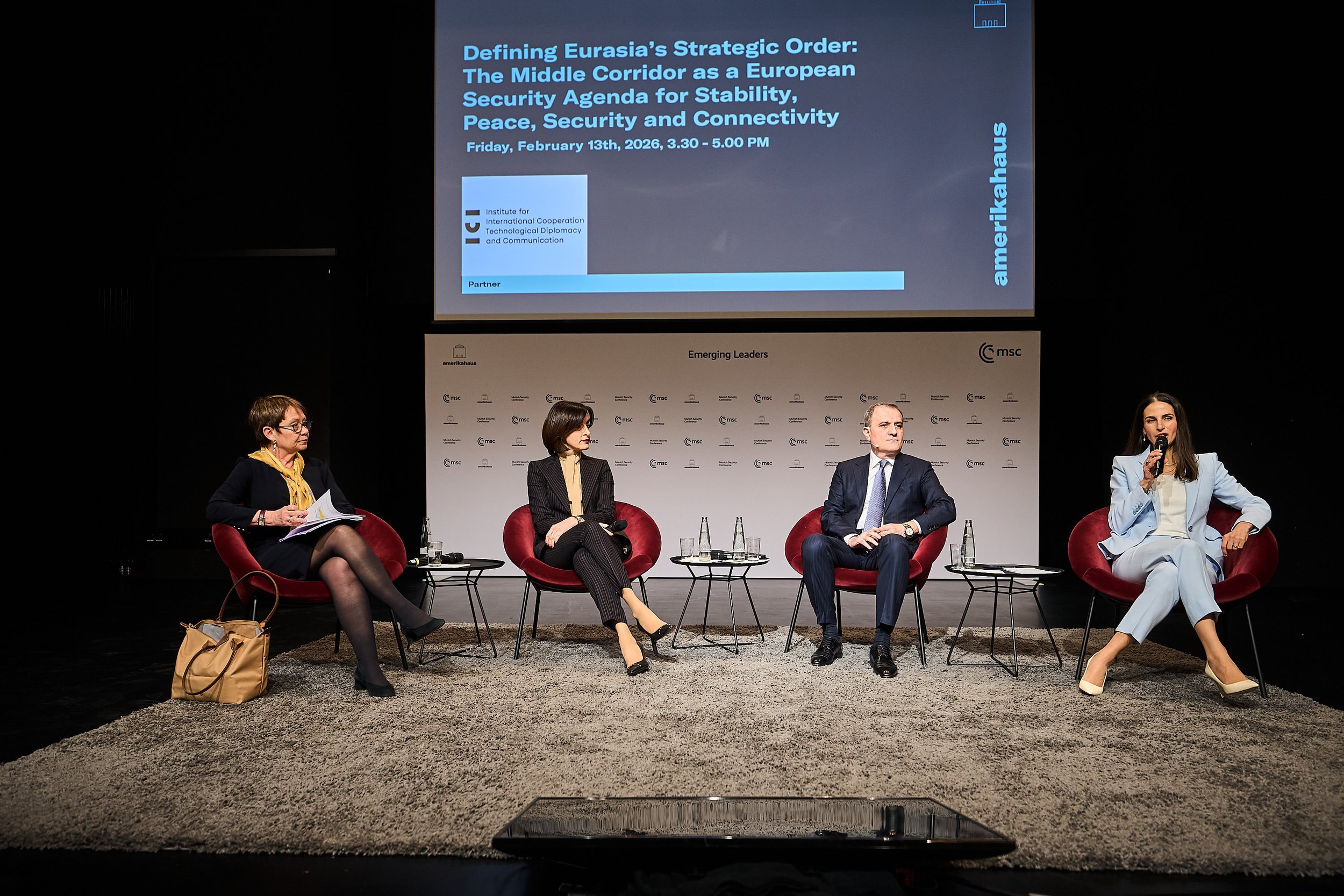
Against the backdrop of growing geopolitical tensions in Eurasia and ongoing disruptions to global trade routes, the MSC side event "Defining Eurasia's Strategic Order" focused on the strategic importance of the Middle Corridor. The discussion highlighted how connectivity, economic integration, and political cooperation can contribute to stability, peace, and security in Europe and the South Caucasus.
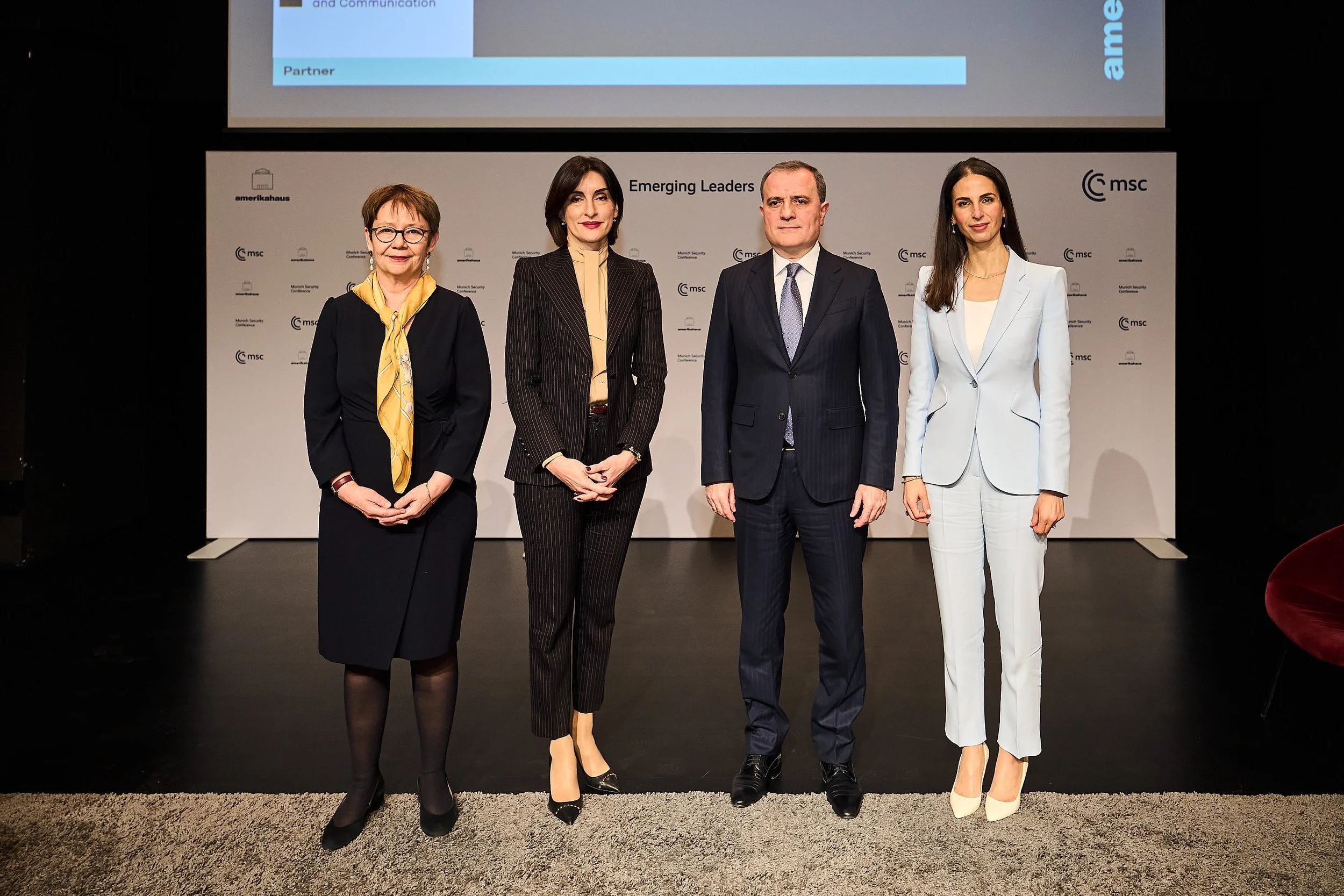
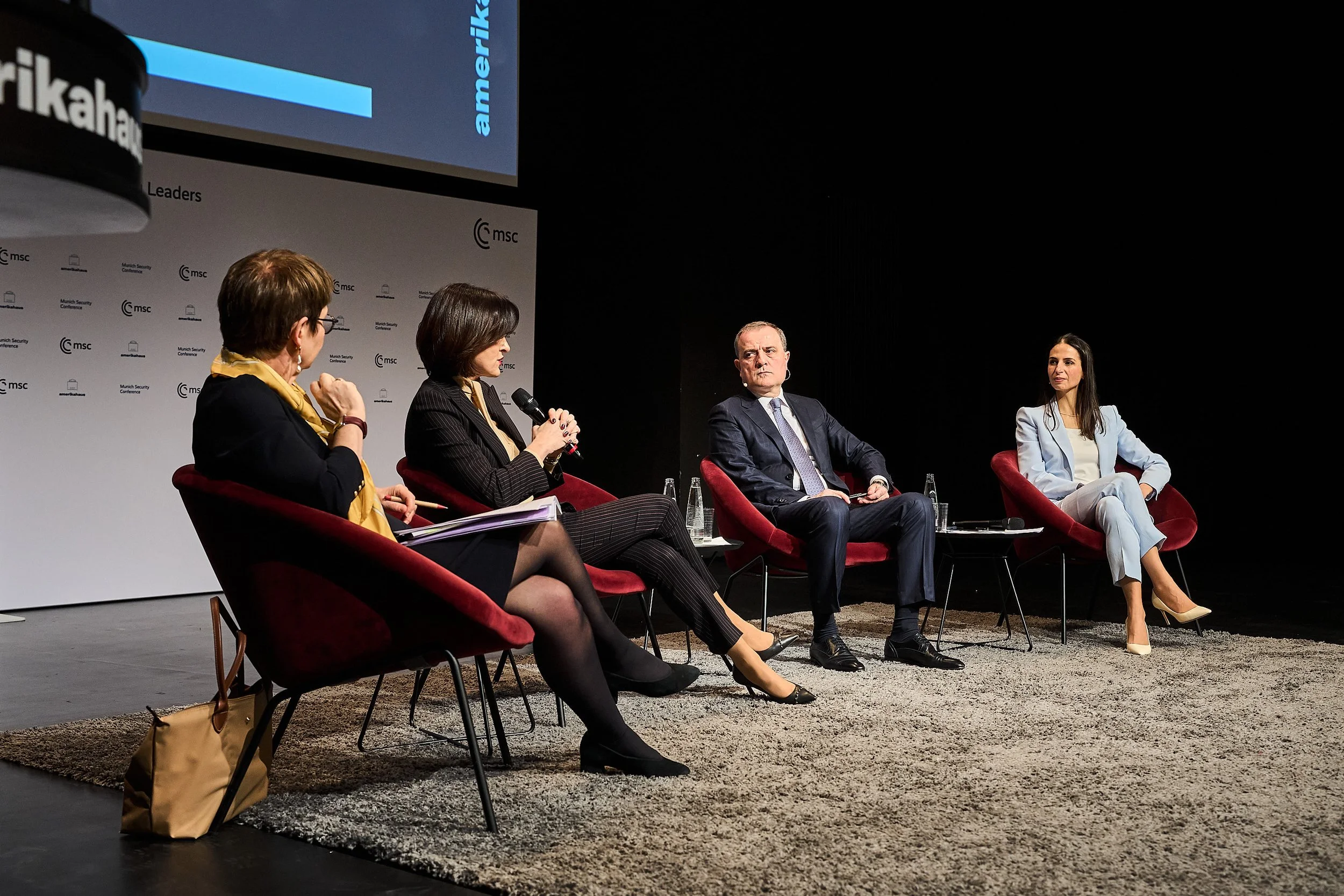
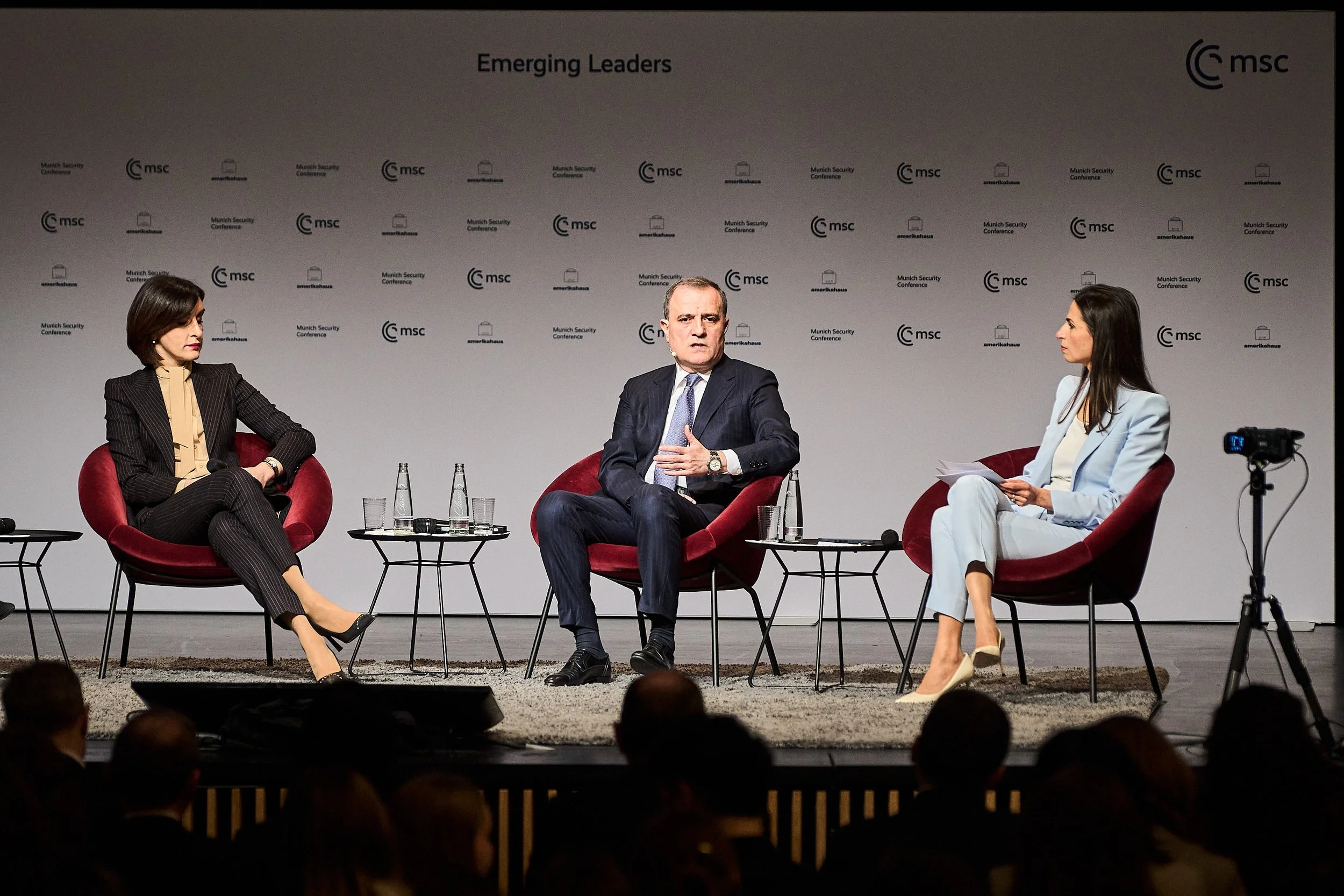
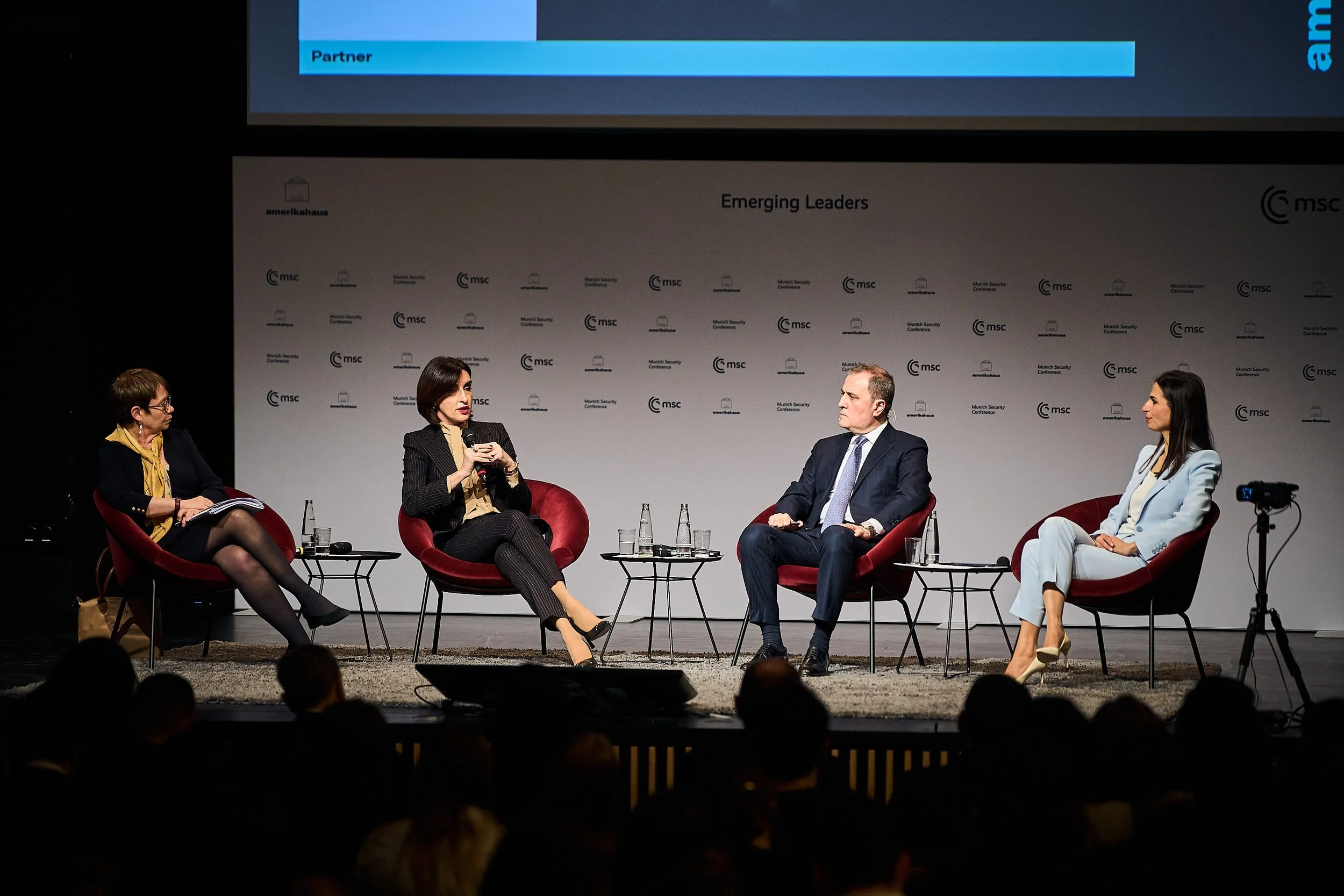
The following participants took part in the panel discussion:
H.E. Jeyhun Bayramov, Minister of Foreign Affairs of the Republic of Azerbaijan
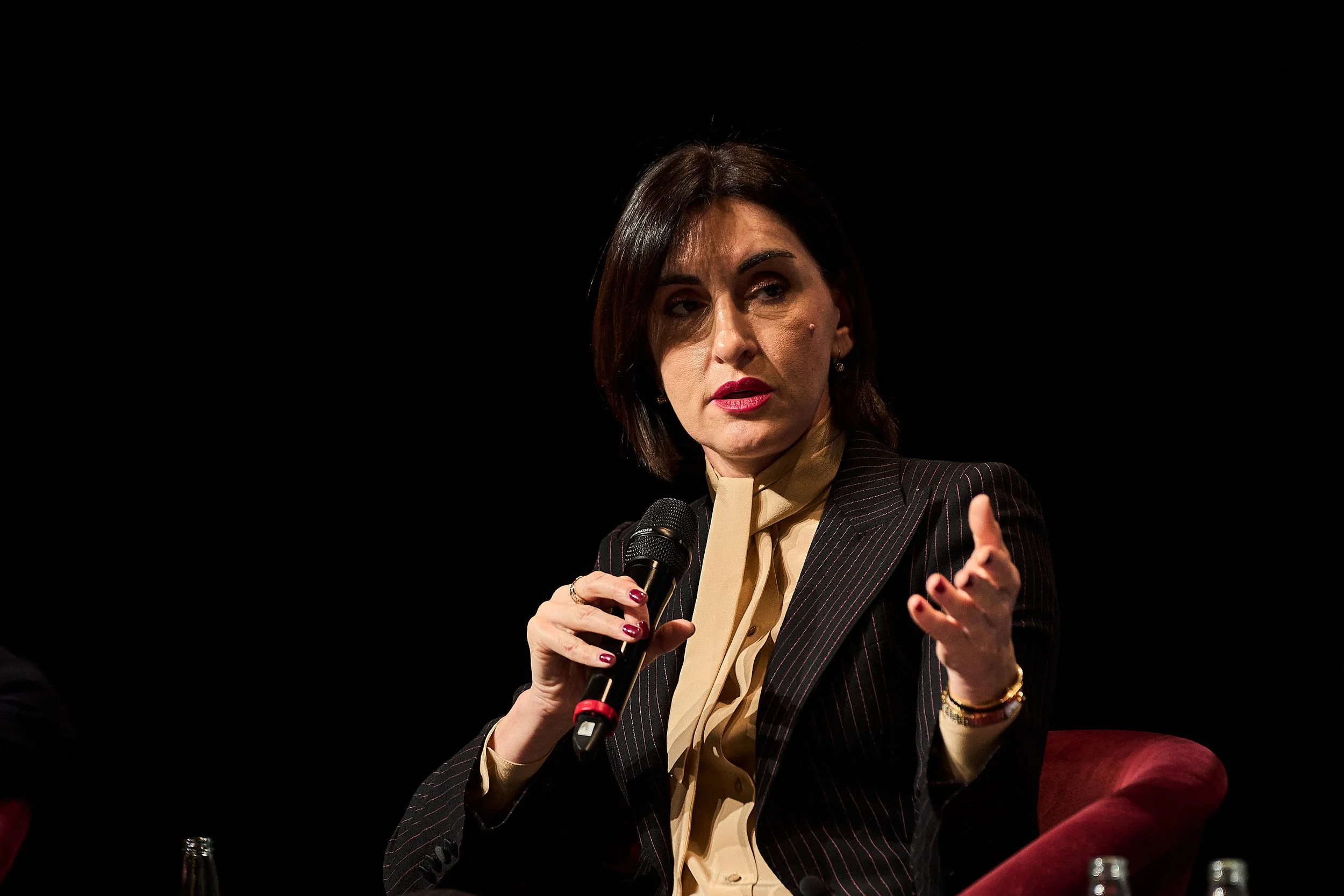
H.E. Maka Botchorishvili, Minister of Foreign Affairs of the Republic of Georgia
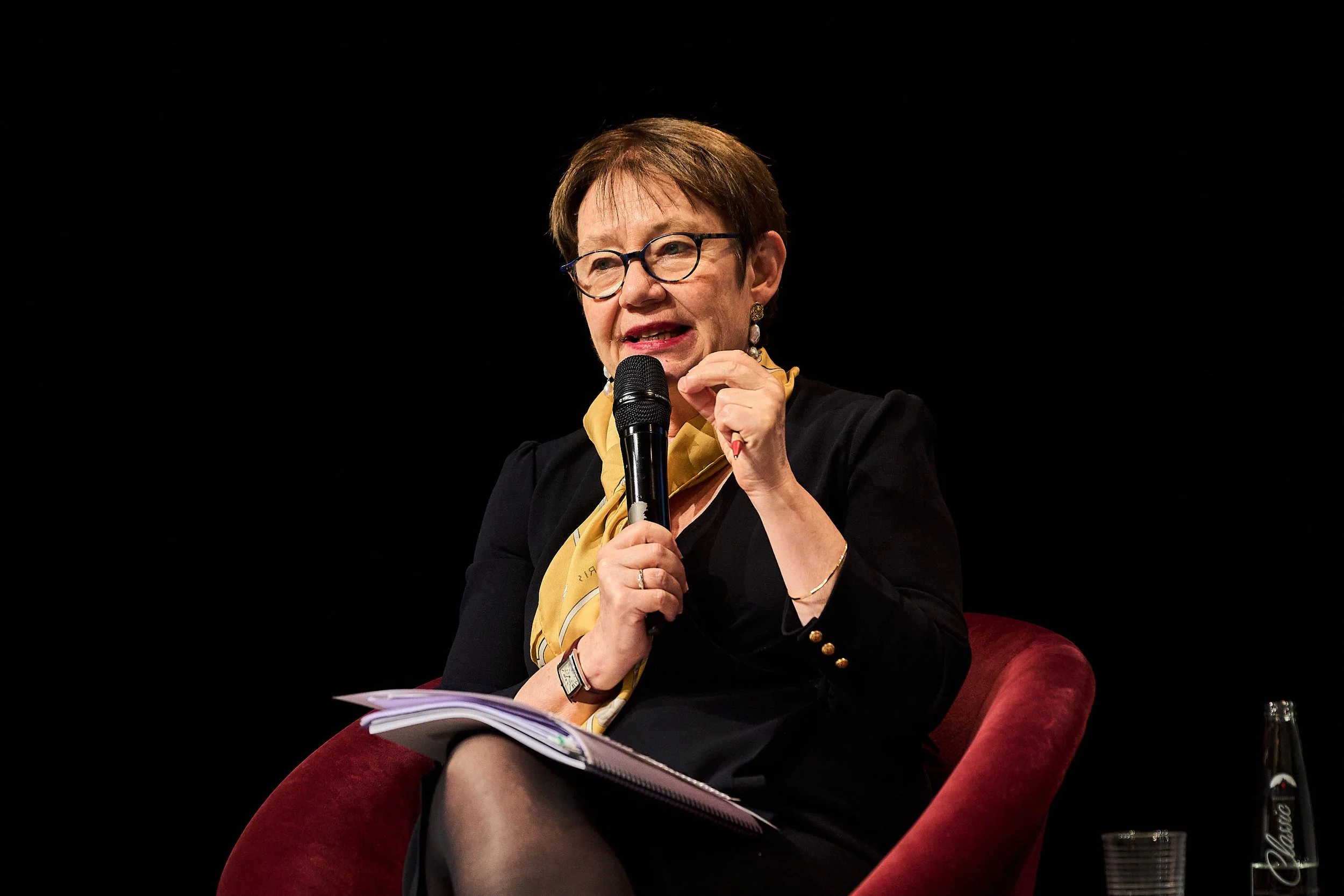
Odile Renaud-Basso, President of the European Bank for Reconstruction and Development
Moderator: Dr. Mayssoun Zein Al Din, Director of the Academy of International Affairs NRW
The panel participants agreed that the Middle Corridor is much more than just an alternative trade route between Europe and Asia. The debate focused primarily on the question of how increased cooperation, economic networking, and coordinated investment can promote sustainable stability in the South Caucasus. Connectivity was understood as a political instrument that builds trust, supports reform processes, and deepens regional cooperation.
Discussions focused in particular on how Europe, together with the countries in the region, can play a formative role in developing the Middle Corridor into a framework for long-term cooperation and peace. Transparent structures, reliable partnerships, and a strategic link between infrastructure, economic development, and security policy responsibility are crucial.